What type of house alarm is best? This article looks at how to choose the best type of burglar alarm. Find out more about the types of burglar alarm systems available.
Types of burglar alarm systems
Like other home security devices, such as access control systems, video doorbell cameras, smoke detectors, smoke alarms and CCTV camera systems, homeowners can choose from several types of alarm systems for their properties.
The threat of burglary, vandalism and other crimes is constant. Having reliable alarm systems and security equipment installed on your property can help protect you and your loved ones from these criminals and potential intruders.
Naturally, most homeowners will already have some kind of alarm system to warn them of intruders. But security technology is always changing, with more advanced systems being invented yearly.
Therefore, if your system is fairly old, it will likely be outdated and require upgrading to provide you with the greatest level of protection. There are two main factors to consider when purchasing or upgrading your burglar alarm system.
The first is the type of alarm system you want to install, given that they serve different functions and provide different security solutions.
WHY SHOULD I GET CCTV AT HOME?
The second thing to consider is what you want to happen after your alarm is triggered, as there is more choice today than simply having a loud siren that rings out to warn of an intrusion. Here is our list of the most common types of burglar alarm systems available for homeowners and business owners today:

Bells-only alarms
When you picture a ring alarm system or a traditional burglar alarm, this is the type you most likely think of. Bells-only alarms consist of a box with an external alarm sounder hidden inside.
You typically place them at key locations around your property, such as above windows or doors, where burglars are most likely to try and enter your property.
When the infrared or motion sensors attached to these alarms are triggered, the sounder in the box will emit a loud ringing noise, alerting anyone nearby to the attempted intrusion.
While these types of alarms usually deter burglars while they are attempting to enter your property, simply having a visible alarm on your building can act as a deterrent to would-be thieves. Once the burglars have fled, you'll want to turn off the incredibly loud warning alarm.
Bells-only burglar alarms are usually controlled by a fixed panel, keypad or key fobs installed alongside the intruder alarms. While they are a great deterrent, they do not directly alert you or anyone else of an intrusion and can only alert those who are within earshot of the alarm.
Dialler burglar alarms
As a solution to the previous type of burglar alarm not warning you directly of intruders at your home or business, dialler burglar alarms are designed to do just that.
When someone attempts to enter your property illegally, a dialler alarm will automatically ring your phone, meaning you receive instant alerts. You can also nominate other emergency contacts, such as friends or family, to be notified when your alarm is triggered.
Dialler burglar alarms aren't too popular these days. While there are obvious benefits to being personally warned when your alarm is triggered, most security companies offer more comprehensive security systems. The best smart home security systems usually include professional monitoring services at a base station with video storage, where trained security personnel will contact you once they've notified the police about a potential intrusion.
Smart security systems
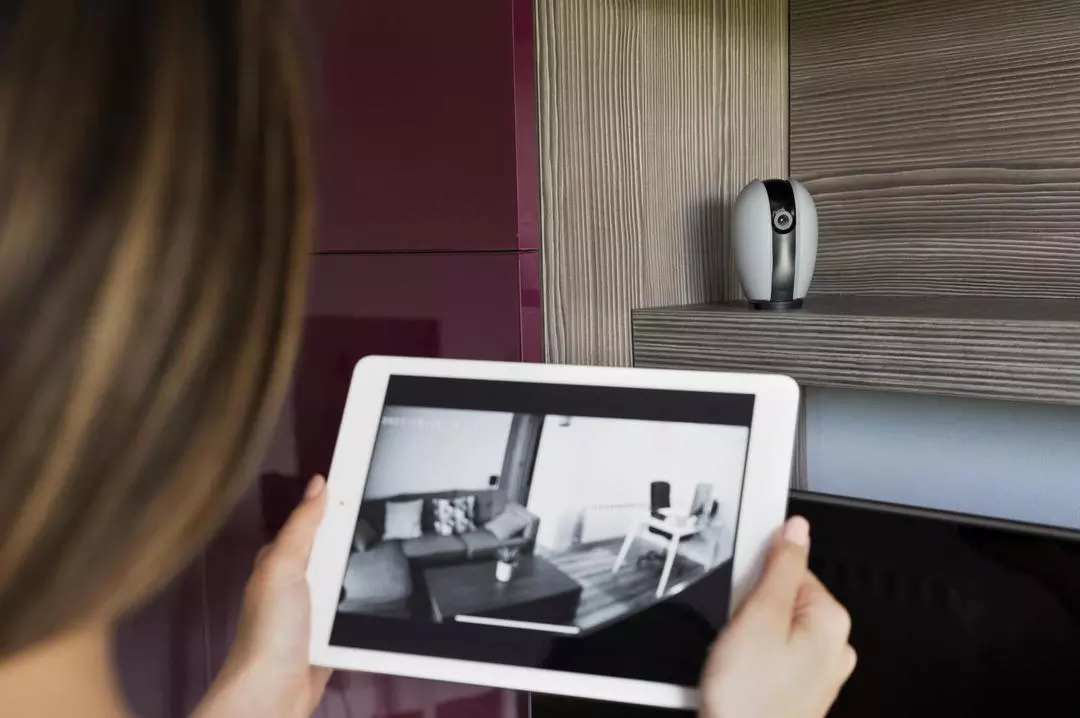
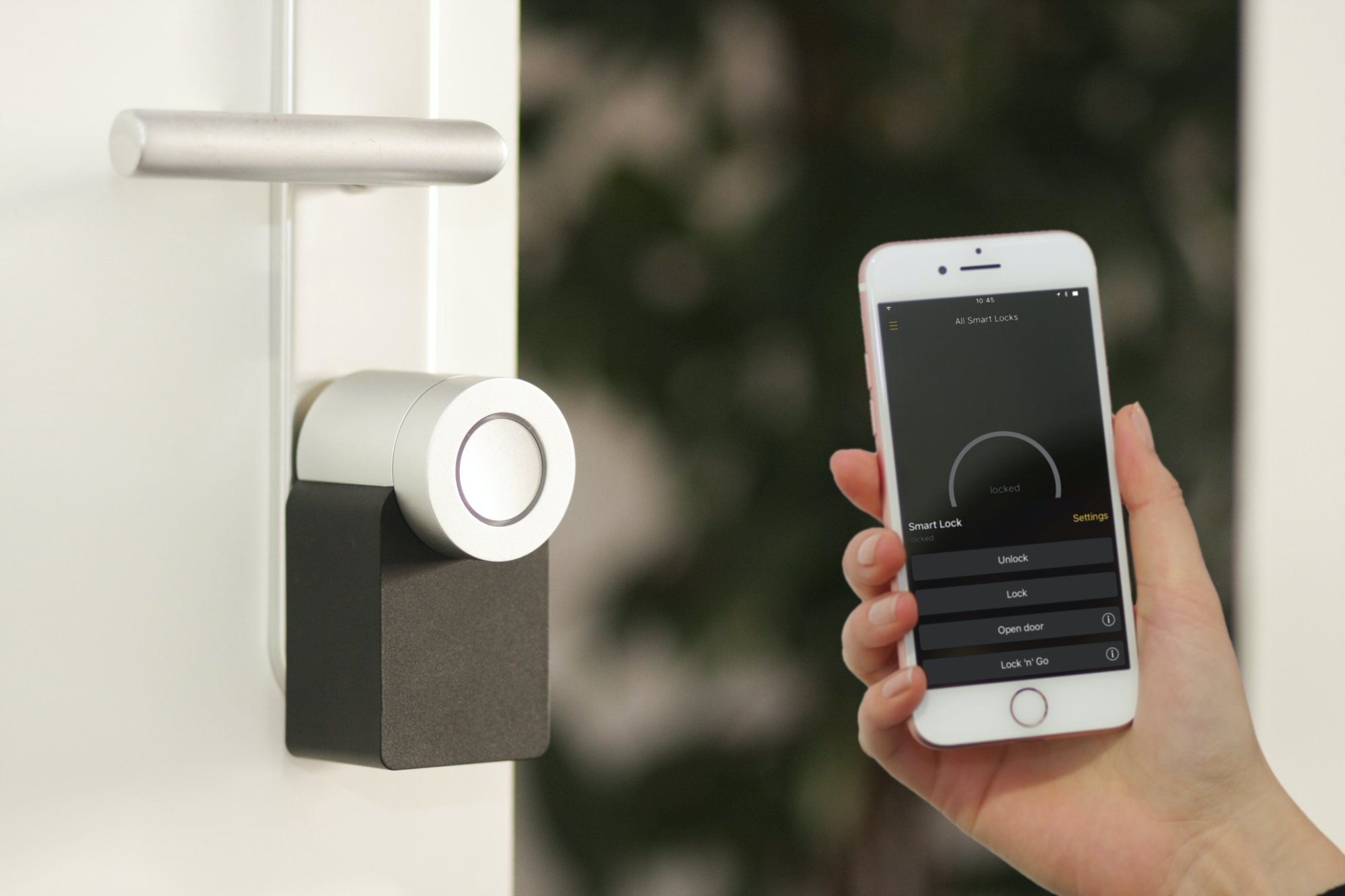
Smart systems are another step up from the dialler burglar alarms in the previous entry. While dialler alarms will ring or notify your phone when someone is attempting a break-in, smart security systems allow you to control the entirety of your home's alarm systems and security measures with an app on your smartphone, other smart home devices and smart home security systems.
Linking this ability to control your alarm system with other security features you have installed, such as CCTV security cameras or voice assistants in your home, provides you with comprehensive control over your property. Dialler alarms can cause increased anxiety, given you don't know exactly what's happening, only that your alarms have been triggered; smart alarm systems provide the perfect solution for your peace of mind.
Assisted monitoring contract
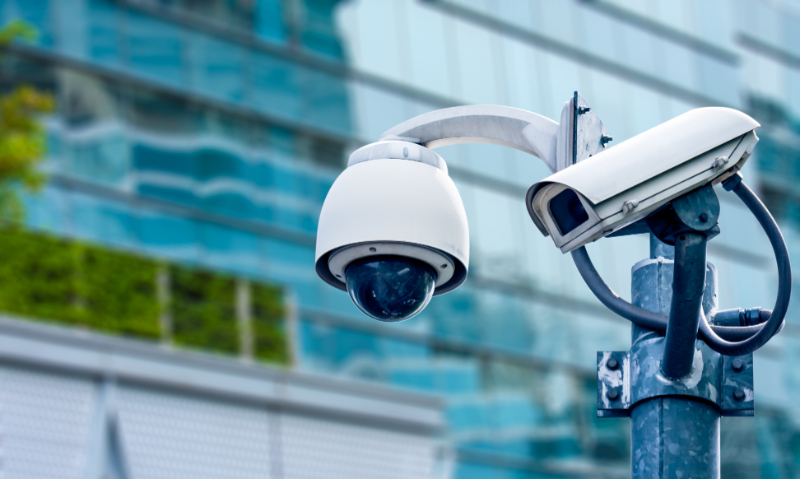
As mentioned above, you can hire a security company to monitor your alarm system around the clock, who will then warn you and the police when an intrusion occurs.
This is one of the best home security systems and typically costs a monthly or annual fee when you want them to monitor your alarm system.
This makes it typically a more affordable equipment service for businesses than individual homeowners, though both can benefit greatly from this type of protection. The team monitoring your alarms can call or text you or other nominated persons when your security alarms are triggered.
They can also send out a distress call to the police or private security service of your choice. They will then either apprehend the criminals or investigate what has happened. Of course, investigations mean additional costs if you opt for private security.
How are burglar alarms installed?
As you may have guessed by now, most home alarm systems consist of two parts - the motion detection or entry sensors placed around your property and the central control panel they feed information to.
If you opt for a wired burglar alarm system instead of a wireless one, you'll need to connect it to the electricity supply for your home, hence why you'll need a qualified engineer to install them. While burglar alarm systems vary between manufacturers, you will usually arm and disarm your alarms using the central control panel.
Additionally, you can place entry sensors anywhere around your property, but they are most useful when placed near potential entry points, such as windows and doors. Again, if you've opted for a wired system, you'll need to physically link all your sensors to the central console with wires.
Most burglar alarm sensors operate as Passive Infrared (PIR) detectors. This means that they monitor changes in heat in the location they are installed. Once you've armed it and the temperature changes dramatically beyond a certain threshold, the alarm will sound.
This usually happens when body heat is detected, as it presents a sudden rise in temperature to the sensor. Still, there is always the risk of false alarms from animals or other heat-emitting objects, in which case, motion sensors or contact sensors may be a better option.
Depending on the manufacturer, you may also have a keypad installed which you can control your alarms with. This allows you to arm and disarm your alarms without using the central console, which is especially useful in the event of false alarms.
Again, depending on the complexity of your burglar alarm system, you may be able to install it yourself. However, the best alarm systems usually require assistance from a reliable installation company.
Those with National Security Inspectorate (NSI) and Security Systems and Alarms Inspection Boards (SSAIB) accreditations are best when looking for a burglar alarm installation service. They have to undergo regular audits and comply with British and European standards for a range of things, including:
System Design Alarm Installations Burglar Alarm Monitoring Maintenance Services
How to choose the best type of burglar alarm
It can be a little disorienting looking at all the different burglar alarms available to you. With so many choices, how do you know which system will best suit your business or home security needs? Essentially, any good burglar alarm system will deter criminals.
A noticeable alarm system will deter burglars before attempting to gain entry, while a reliable one will make them flee when the alarm is triggered, protecting your property. You'll also need to take your budget into account.
There's a house alarm system for every budget, but using your money effectively is the best way to protect your home. Another thing to remember is your local police response and whether a bell-only alarm is all you need or a monitored home security system would be better.
Depending on the alarm system you choose, it may also affect your home insurance costs once installed. Taking all this into account, the first step is choosing between wired versions or wireless burglar alarm systems. Each type has advantages and disadvantages, which we will go through now.
Wireless burglar alarms
A wireless burglar alarm system is powered by batteries and uses radio signals to transmit information to a central control panel. Since there are no wires or other electrical components involved, installing a wireless alarm system is much more straightforward, meaning you may be able to install them yourself if necessary. Wireless burglar alarms also look a lot neater when installed on your exterior walls, with no need to have wires trailing through your property.
Other advantages include the ability to add additional door and window sensors if you decide your home needs extra protection and the fact that wireless alarms are portable, meaning you can remove and take them with you if you decide to move house.
Wireless alarm systems' initial cost is relatively higher than wired systems. Still, since you may be able to install them yourself, homeowners can make savings in that regard. Additionally, given that they are battery-operated, you will need to replace them when they run flat. The central control panels for your burglar alarms will warn you when this is about to happen.
Wired burglar alarms
When you picture a domestic burglar alarm system, you will likely think of a wired burglar alarm system. Similar to wireless systems, you get a series of sensors or motion detectors, all feeding information to a central control panel, the only difference being these ones are connected together by a series of wires.
Wired burglar alarms are much cheaper than wireless ones, but you will need to hire a qualified engineer to install them.
Security kits with smart functionality or battery-powered sensors will also require professional installation.Installation and engineer costs may bump the price up slightly, so it is worth comparing these costs to those of wireless burglar alarm systems to see which will work best for you. However, you will save money on maintenance costs, given there are no batteries to replace or wireless transmitters to fail, making wired burglar alarms easier to look after.
They are static systems, however, meaning you can't move them from house to house without an engineer. They are also less adaptable, meaning adding new sensors can be a hassle, requiring a qualified installation engineer.
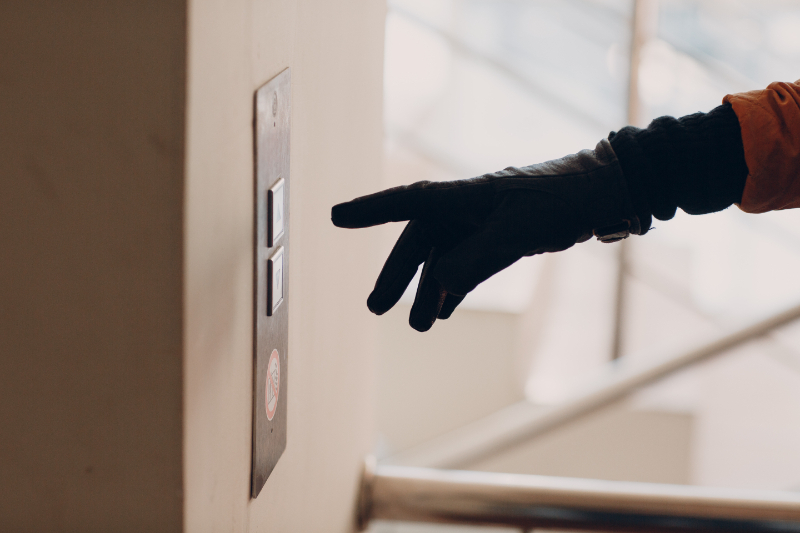
Wireless Alarm
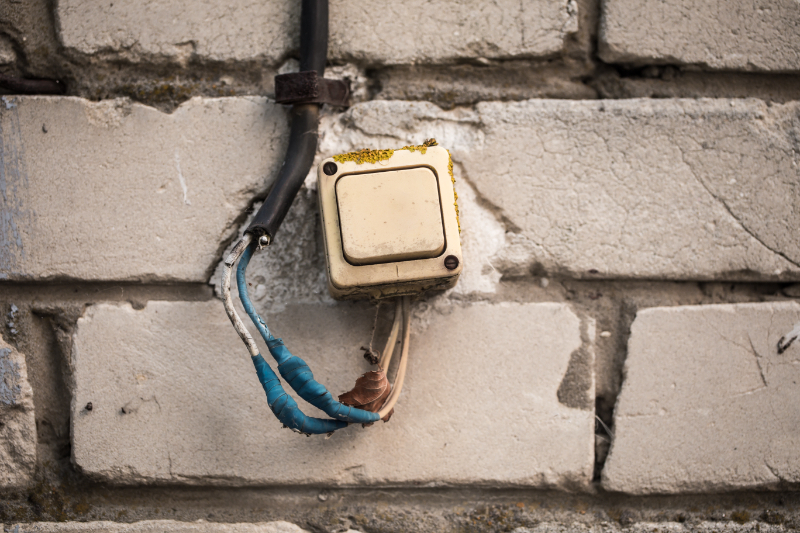
Old Wired Alarm
Which home alarm is right for me?
Naturally, there are many things to consider when selecting the right home alarm for your property. Before deciding where you will place your sensors or even which burglar alarm system to choose, you should consider which parts of your home are at the highest risk of being broken into.
There are a few obvious places which we've already mentioned, but you should make a comprehensive list of potential weak points you need to cover. The obvious places are your doors, windows, or any other entry or exit points within your property.
You should also consider if there are any blind spots around your property that potential thieves could take advantage of and enter your property without being noticed. You will want burglar alarm sensors for maximum protection in these locations.
Alongside alarms, you might also consider other home security systems to protect your home further. Things like voice control systems, security lighting, smart alarms, smart locks and indoor and outdoor cameras can provide extra protection when used alongside burglar alarms.
Consult a security system specialist if you're unsure what would be best for your property. They can inspect your property and recommend the best home alarm systems. Every home is different, meaning what may work for one might not work for another, which is all the more reason to rely on the advice of professionals.
Dummy boxes can act as a deterrent, but if you want comprehensive protection, nothing beats the real thing. And while many homeowners overlook regular maintenance checks for their home security systems, this is a vital part of providing continuous protection.
Whether this involves checking the batteries of your wireless burglar alarm system or any other maintenance checks, they all contribute to your peace of mind. Nothing beats the reassurance that maintenance can provide, as you can be sure your security systems are looking out for you, allowing you to catch intruders should they show themselves.
Your burglar alarm provider or alarm company will usually offer a regular maintenance check once or twice per year, depending on the type of burglar alarm installed.
Police-monitored alarms and sync-smart home alarms require more frequent maintenance checks, given the complexity and importance of these systems. Your insurance company may also state how many maintenance checks UK alarm systems are required to have during a year, so it's worth checking your insurance policy too.
Preston Alarm Experts provides the best home security fitting services in and around Preston. Whatever you require, our professional team can assist you with everything from small repairs to installing a completely new home security system.